Project Overview
Chabahar Outfall Tunnel Project includes the implementation of 2080-meter long pipe-laying operations with the micro tunneling method and using the technology of micro TBM machines, that has been designed and manufactured by Tunnel Saz Machine Co.
Tunnel Saz Machine Co. designed, manufactured, and maintained a 2,000 mm slurry Micro TBM equipped with an Air Lock system for hyperbaric operations beneath the seabed for Chabahar Outfall Tunnel Project. The project involved 2,080 meters of pipeline installation using micro tunnelling technology, comprising one 380-meter outfall tunnel and two 850-meter intake tunnels, with an internal diameter of 2,000mm. Excavation operations were carried out with an emphasis on minimizing environmental disruption.
Objective
Construction of a desalination plant to supply water for petrochemical cooling, agriculture, and drinking purposes. Key goals include enhancing environmental sustainability, supporting regional economic development, and improving waste management practices to benefit local communities and ecosystems.
TSM Scope of Work
- Designed, manufactured, and maintained a 2000 slurry Micro TBM equipped with an Air Lock system for hyperbaric operations beneath the seabed.
- Implementation of pipeline works with a total length of 2,080 meters and an internal diameter of 2,000 millimeters, utilizing advanced microtunneling technology, comprising one outfall tunnel of 380 meters and two intake tunnels of 850 meters each.
- Conducted excavation operations, emphasizing minimal environmental disruption.

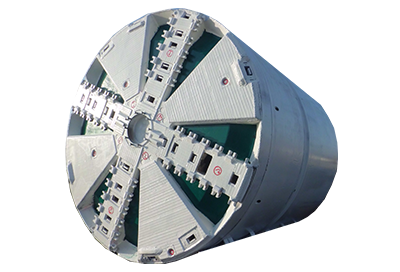 TUNNEL BORING MACHINE
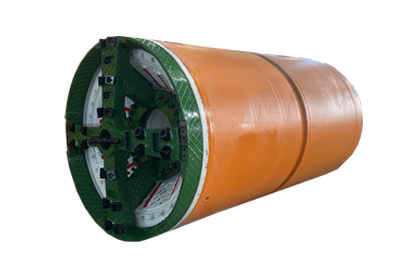 MICRO TUNNELING
 MATERIAL HANDLING
 CUTTING TOOLS


